




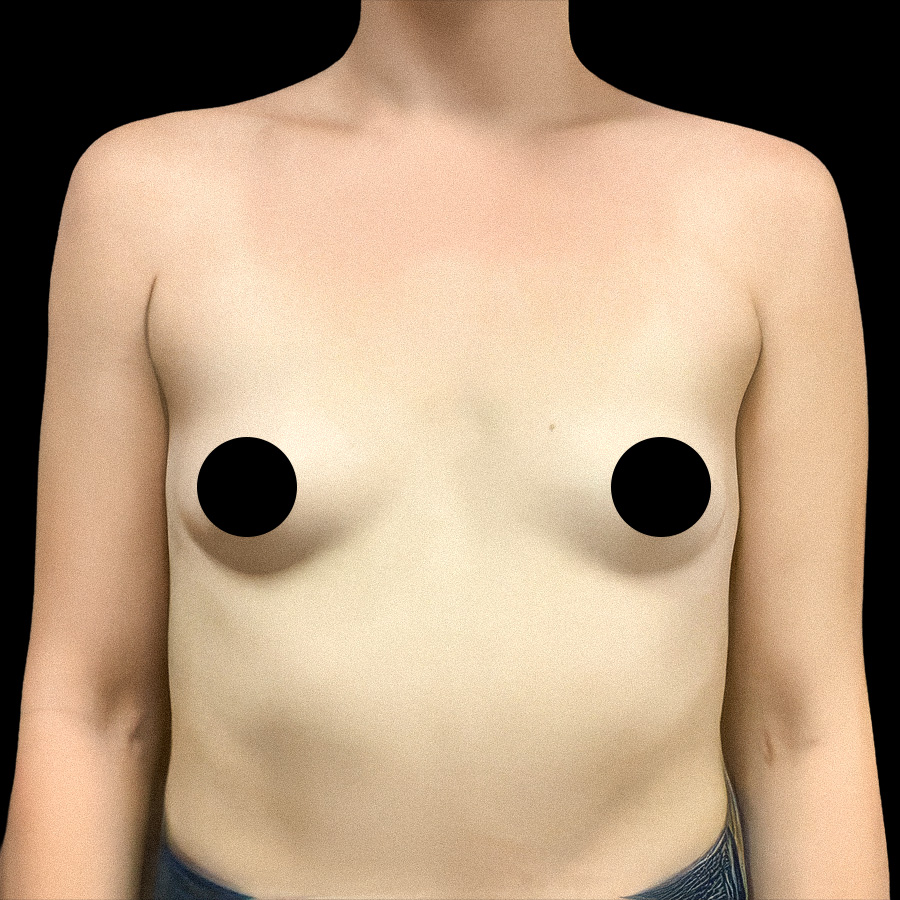
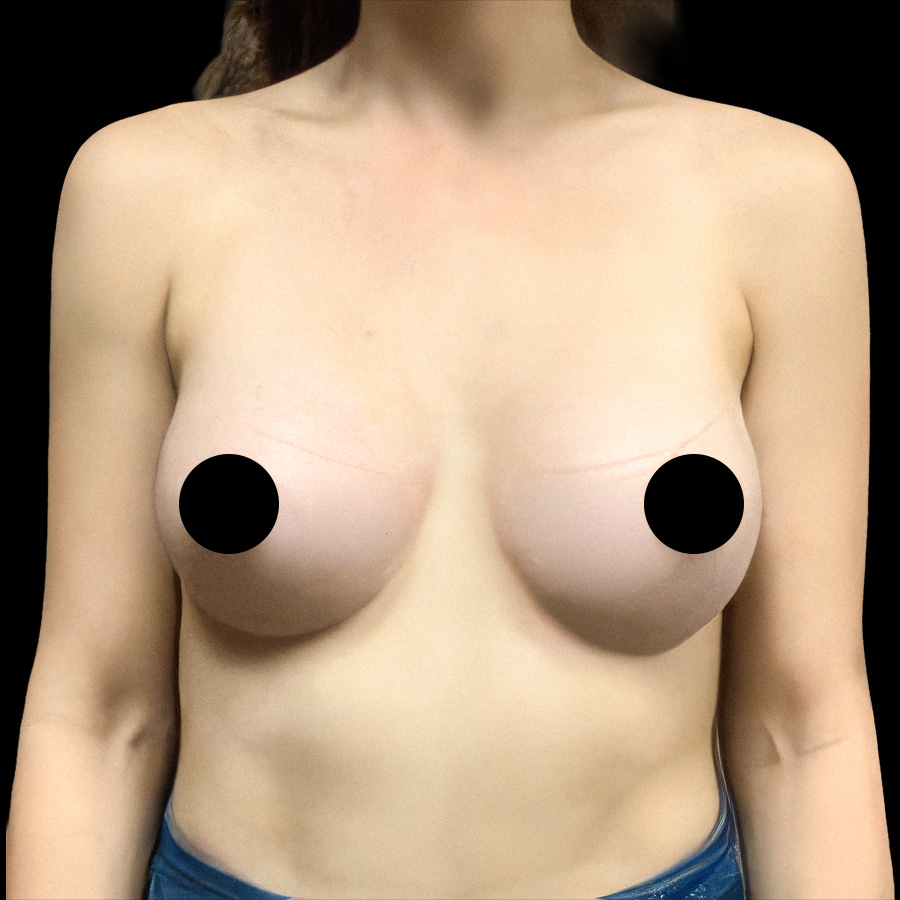
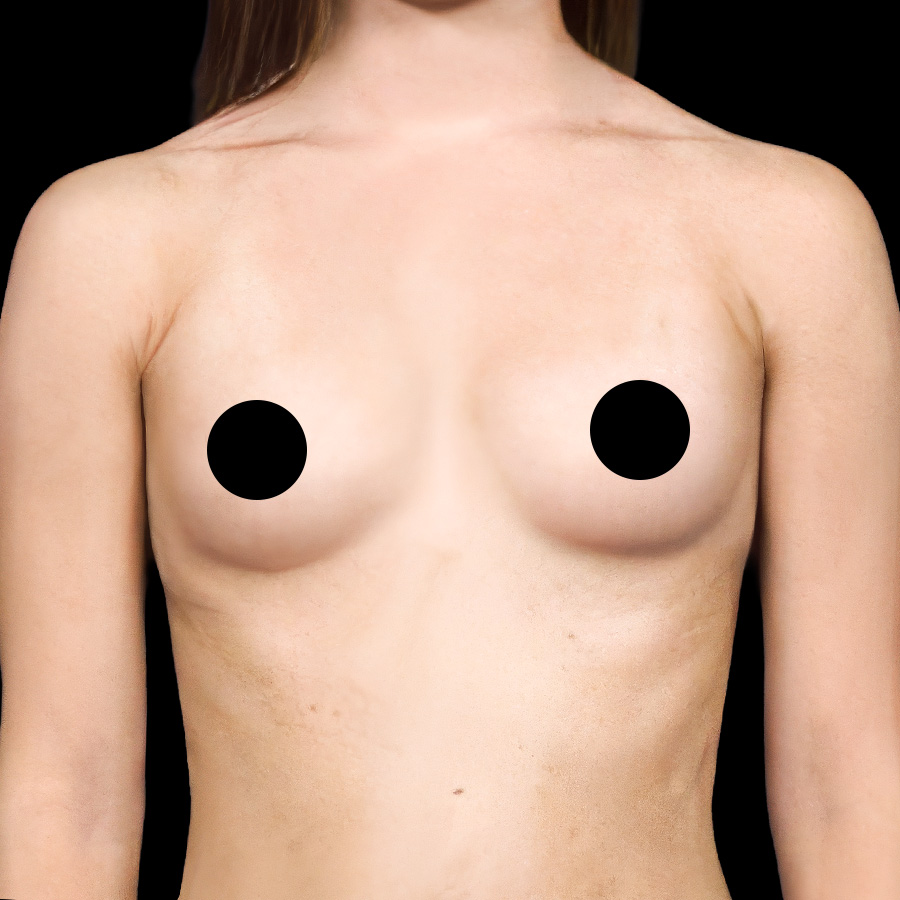
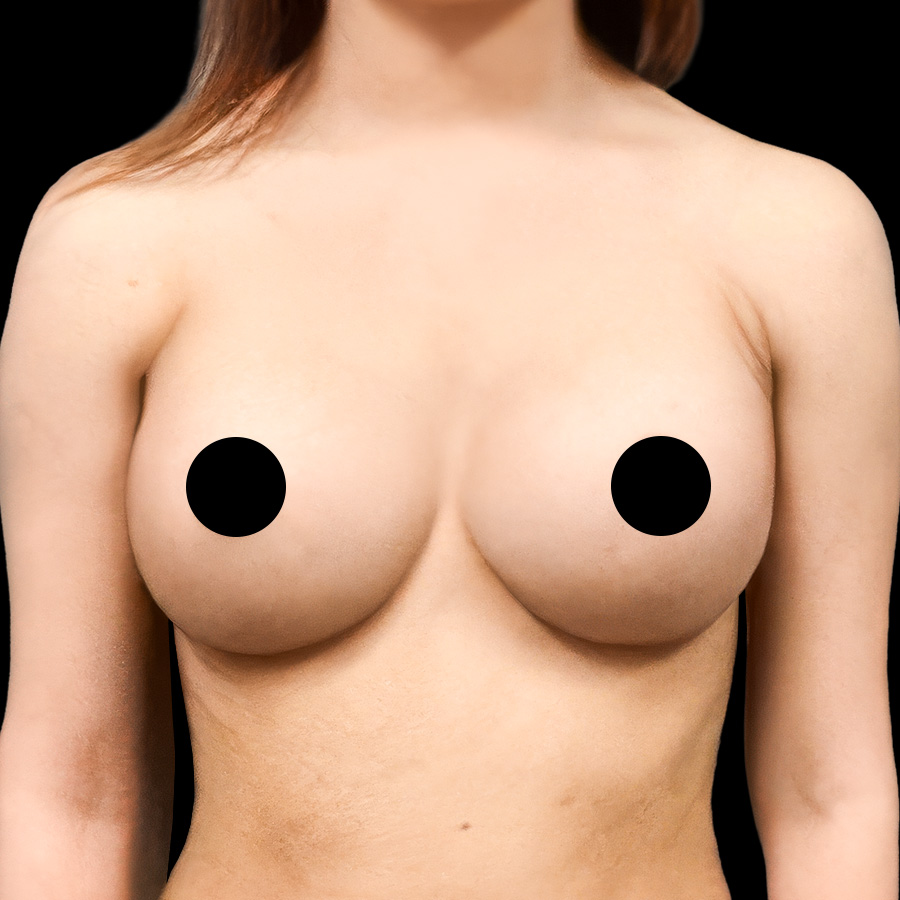

Women considering breast augmentation may be surprised to learn that incision type plays a role in their recovery. From under-the-breast to around-the-nipple, each incision approach offers distinct benefits. Understanding them can help you make more informed choices for your procedure.
At Aesthetic Plastic Surgery, Scottsdale plastic surgeon Dr. Bonillas performs breast augmentation. He uses various incision techniques and collaborates with patients to achieve beautiful, natural-looking outcomes.
Contents
Types of Breast Augmentation incisions
Most breast implant procedures involve one of the following incision techniques.
Inframammary incision
This incision is placed beneath the breast. The goal of the surgeon is to try to anticipate where the new bottom crease of the breast will end up once an implant is placed and hide the scar in that new fold.
Peri-areolar incision
A periareolar incision is made curving along the areola’s lower border. The natural transition in skin tone camouflages it nicely.
Transaxillary incision
This incision is made high up in an armpit fold and leaves no scars on the breast itself. During recovery, your arm movements may be limited.
Some surgeons find that this approach makes precise implant placement more challenging. However, a skilled surgeon like Dr. Bonillas can navigate the complexities of the process very skillfully with the use of a special camera called an endoscope.
Does incision location impact healing?
Put simply, yes, it can. While recovery from breast augmentation usually takes a few weeks, the location of your incision may influence the following:
- Initial discomfort: Inframammary and periareolar incisions may be easier to manage post-op, due to the temporary restrictions in arm motion with the underarm approach.
- Scar visibility: Transaxillary is a great choice for patients who want to avoid scarring on the breasts completely. Also with this technique there is no cutting of the breast tissue itself during the surgical approach. The inframammary incision might be seen at times when the swimsuit rides up with activity.
- Surgical precision: Inframammary incisions require a bit of a guessing game on the surgeon’s part as to where the “new” bottom of the breast will be once the implant has settled into position. This is not a worry with the transaxillary or peri-areola approach.
- Anatomical variation: Some breast tissue is very dense and almost “cone-shaped” and the peri-areola incision may have an advantage here in releasing some of that breast tissue “memory”.
Dr. Bonillas carefully considers each patient’s anatomy, lifestyle, and preferences. He will suggest an incision method that aligns with your goals, promotes successful healing, and ensures long-lasting results.
Discover the right incision type for your implants
Choosing the right incision method can be tricky, but a plastic surgeon like Dr. Bonillas will simplify the process. He provides detailed, thoughtful recommendations during every consultation.
Call Aesthetic Plastic Surgery at (480) 245-6380 to schedule your appointment in Scottsdale and explore your options.
About Dr. Robert Bonillas
Plastic Surgeon · Dr. Robert G. Bonillas
- Board certification
- American Board of Plastic Surgery (verify)
- Education and training
- University of Arizona College of Medicine
- St. Luke’s-Roosevelt Hospital Center in New York City
- New York University Medical Center
- Stanford University Medical Center
- University of Texas Medical Branch in Galveston
- Memberships
- American Society for Aesthetic Plastic Surgery
- American Society of Plastic Surgeons
- Arizona Society of Plastic Surgeons
- Arizona Latin-American Medical Society
- NPI
- 1598969198